
Prioritizing app features can be an overwhelming task, especially for your first release. With countless possibilities and limited resources, making the right choices is crucial for your app’s success. In this blog, we’ll guide you through a straightforward process to determine which features should make the cut.
Understanding Your Target Audience
Before diving into feature selection, it’s essential to have a clear understanding of your target audience. Knowing their preferences, pain points, and must-have features will help you tailor your app to meet their needs effectively, ensuring maximum user engagement.
Diving deeper into audience analysis, consider creating user personas to visualize typical users of your app. These personas should reflect key demographics, behaviors, goals, and challenges. By shaping your understanding of users through such detailed profiles, you can anticipate how they interact with technology and consequently, what features will make your app indispensable to them. This involves exploring user journey maps and identifying where friction occurs. Through conducting studies like Journey Mapping, you can reveal potential roadblocks and opportunities in user engagement.
Defining Core Functionality
Start by identifying the core functionality of your app. What problem does your app solve? What are the essential features needed to address this problem? By focusing on these key functionalities, you can avoid feature creep and ensure that your app’s main purpose is achieved efficiently.
Central to defining your app’s core functionalities is the necessity to distill your product into what could be termed as a ‘minimum viable product’ (MVP). This involves stripping down the broader vision of your app to its core components—offering something valuable but with enough room left for future iterations. The idea is to deliver a product that provides immediate value, attracts early adopters, and offers perfecting iterations based on user feedback loops.
Gathering User Feedback and Conducting Tests
Engage with potential users through surveys, interviews, or beta testing to gather valuable feedback. This process will provide insights into which features resonate most with users and which can be deferred for later versions.
Implementing agile methodologies during testing phases can facilitate an iterative feedback loop, allowing developers to pivot quickly based on real-time user insights. Agile practices promote transparency, flexibility, and improved collaboration between development teams and stakeholders, enabling timely feature adjustments and refinements.
Building a Feature Prioritization Matrix
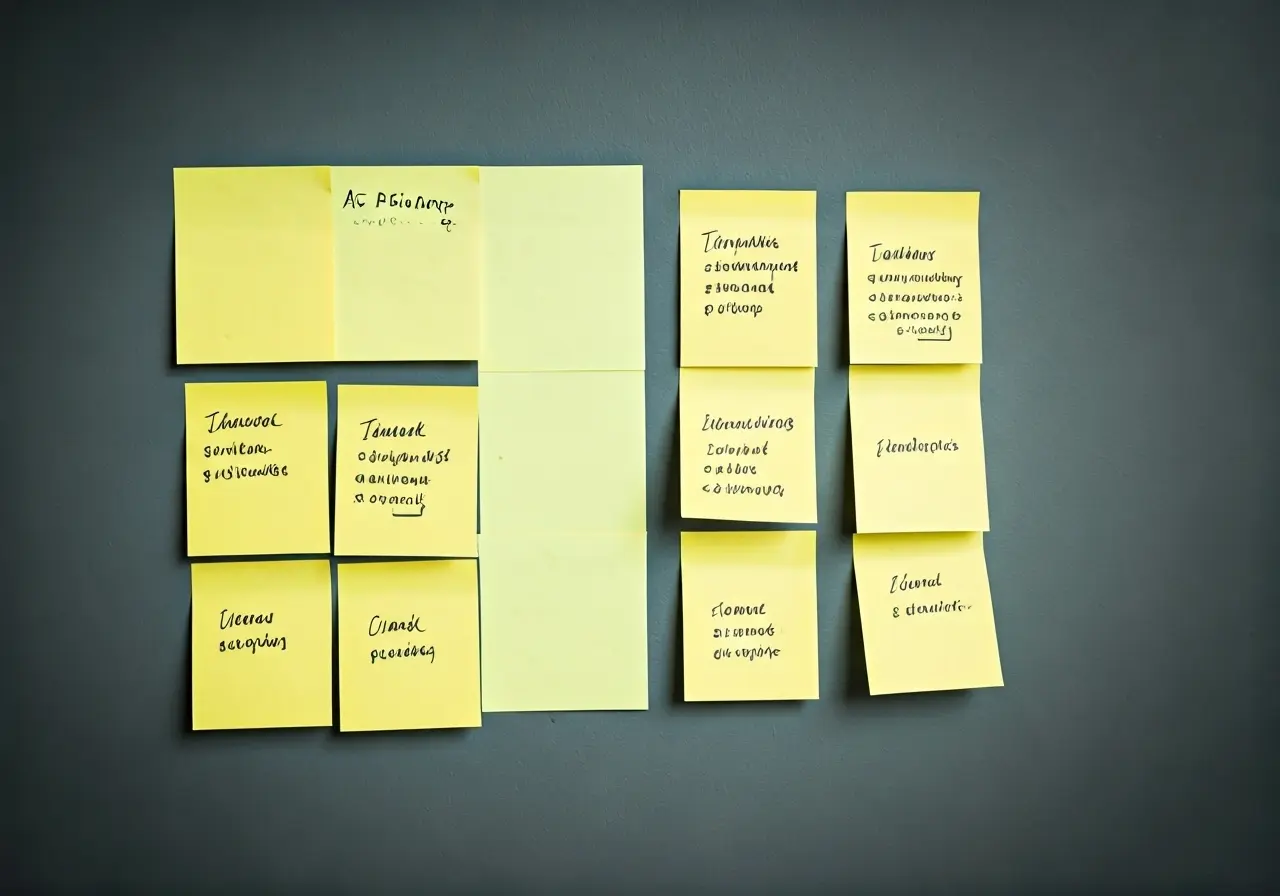
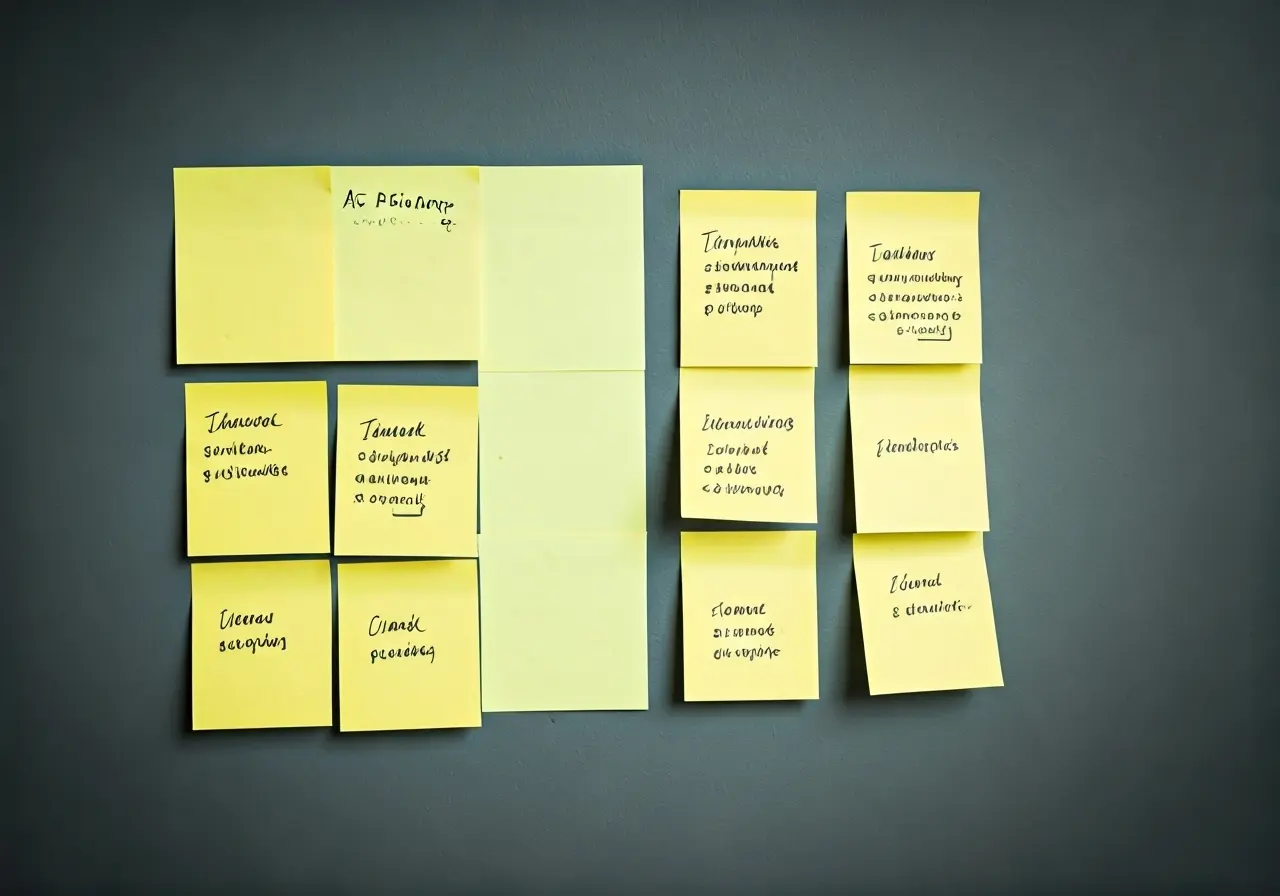
A feature prioritization matrix can be an effective tool for organizing and evaluating potential features. By comparing each feature based on factors like user value, implementation cost, and strategic alignment, you can systematically rank features and make informed decisions on what to include in your first release.
Incorporating frameworks such as the Eisenhower Matrix can streamline this prioritization process. This matrix leverages a two-by-two grid focusing on urgency and importance, facilitating a clearer understanding of which features merit immediate development versus those that can be scheduled for later releases. Integrating this approach with regular reassessment cycles ensures your feature set evolves in tandem with changing user needs and business landscapes.
Balancing Business Goals with User Needs
While user feedback is crucial, it’s also important to align your app’s features with your business objectives. Consider how each potential feature aligns with your broader goals, such as revenue generation, brand positioning, or market expansion, to ensure a cohesive release strategy.
Crafting a successful app strategy necessitates carefully straddling the spectrum between user satisfaction and fiscal considerations. As you develop features, consider how they contribute to your company’s mission and vision. A strategic approach would include focusing on scalability and sustainability of the app. By ensuring your features are scalable, you not only anchor current profits but also pave the way for substantial future growth and innovation as market conditions evolve.
For startups aiming to thrive in a competitive app marketplace, having a clear understanding of how your app will monetize and support business longevity is vital. Explore different monetization models like freemium, subscription, or in-app purchases and align them strategically with your feature offerings. This strategic alignment can position your app as not just another option in the marketplace, but as a compelling and indispensable solution that appeals to investors and users alike.
Setting the Stage for Success
Balancing user needs and business goals is key when prioritizing app features for your first release. By focusing on core functionality, analyzing user feedback, and leveraging a feature prioritization matrix, you can make informed decisions. This method will not only streamline your development process but also set a strong foundation for your app’s future growth and evolution.