

In the bustling hub of innovation that is Washington DC, the world of app development is ever-evolving. Whether you’re a seasoned entrepreneur or just starting out, creating an app with standout features can set you apart. Let’s explore some of the most innovative app features that are inspiring DC entrepreneurs to create groundbreaking digital experiences.
1. Augmented Reality Integration
Augmented reality (AR) offers a compelling way to enrich the user experience by overlaying digital information onto the real world. From virtual walkthroughs of real estate to interactive museum tours, AR can elevate your app’s functionality and user engagement. With AR, users can, for example, place virtual furniture in their living rooms to see how it fits and looks, bridging the gap between imagination and reality. The integration of AR supports a more immersive experience that captivates users, encouraging them to engage more deeply with the content. As AR technology becomes more accessible, its potential for transforming app experiences is vast and varied.
In various sectors, AR is becoming a strategic tool. Consider how real estate companies offer virtual tours that allow potential buyers to experience properties without leaving the comfort of their homes. This feature not only saves time for both buyers and agents but also showcases homes in a more interactive way than traditional photos or videos could. Furthermore, it’s not just the technology; it’s the engagement and interaction that AR fosters, creating a unique user journey that could be the differentiator for your app in a saturated market.
2. Seamless Voice Command Features
Voice command technology has progressed leaps and bounds, enabling users to navigate their favorite apps hands-free. Incorporating this feature can enhance accessibility and convenience, making your app more attractive to a wider audience. With the rise in popularity of devices like smart speakers and voice-activated assistants, users are becoming more accustomed to using their voice for commands. This trend towards voice technology is reshaping how users interact with digital products. Whether it’s setting reminders, sending messages, or conducting searches, voice commands facilitate a smoother, more intuitive user experience.
Integrating voice control can also cater to users with disabilities, offering an essential layer of accessibility by ensuring all users can navigate and utilize the app’s features effectively. By reducing the dependency on physical interfaces, voice command features empower users, providing an effortless way to perform tasks with simple speech. As these technologies continue to be refined and improved, their integration becomes progressively critical for staying competitive in app development.
3. Personalized User Experiences
Leveraging data analytics to create personalized content and experiences can significantly boost user satisfaction. Tailoring recommendations and notifications can make your app feel uniquely responsive to individual needs and preferences. For the savvy entrepreneur, this means utilizing data insights to predict user behavior and provide a more customized interaction for each user. The personalization goes beyond merely adjusting content; it encompasses everything from personalized greetings to suggestions based on past behavior.
Consider streaming services as an example; they use complex algorithms to suggest music or shows based on a user’s history, generating a tailored entertainment hub that keeps users engaged. This level of customization delivers real value, making the app indispensable to its customers. Personalized experiences not only enhance the appeal of your app but also cultivate a sense of connection between the user and the brand, fostering loyalty and retention.
4. Robust Security Features
Security is paramount, and implementing advanced security features such as biometric authentication or end-to-end encryption can establish user trust. Protecting user data is crucial, especially in today’s digital age where privacy concerns are increasingly prevalent. Apps that prioritize security can improve user confidence by ensuring their personal information is safe and secure. Biometric authentication, like fingerprint or facial recognition, provides an extra layer of security, making it harder for unauthorized users to access sensitive information.
Moreover, end-to-end encryption ensures that data transmitted between the user and the app remains private and cannot be accessed by outsiders. This becomes especially relevant in apps that handle financial transactions or personal communications. Prioritizing robust security measures can distinguish your app in a crowded market, where users are becoming more vigilant about how their data is used and protected. Ultimately, app security does not just protect the user’s data—it enhances the overall credibility and reliability of the app platform.
5. Innovative Payment Solutions
Facilitating ease of payment through options like mobile wallets, contactless payments, or even cryptocurrencies can enhance user convenience. Offering versatile payment solutions can improve the transactional experience within your app. As the digital economy grows, customers expect fast and secure payment options that suit their lifestyles. By integrating these cutting-edge payment methods, apps not only make transactions easier but also stay ahead of consumer trends.
Consider how recent technologies in fintech have simplified transactions, making purchasing within apps straightforward and secure. With the increasing adoption of solutions like Apple Pay, Google Pay, and cryptocurrency wallets, apps can cater to a broader audience with varied financial preferences. Ultimately, streamlining payment processes minimizes friction points and encourages users to complete transactions, driving up sales and user satisfaction.
6. Interactive and Social Elements
Apps that integrate social features like community forums, sharing options, and user-generated content can foster community and engagement. These elements encourage users to interact more with your app and each other, nurturing a loyal user base. Social interactivity can transform a standalone app into a thriving ecosystem where users contribute and connect, increasing the app’s appeal and utility.
Creating platforms for user expression and interaction can increase engagement exponentially. Consider how fitness apps use leaderboards and community challenges to motivate users through friendly competition and support. Such features not only keep users coming back but also allow them to be part of a larger community. By prioritizing interaction, apps can improve retention rates and build a more devoted audience.
7. AI-Powered Chatbot Support
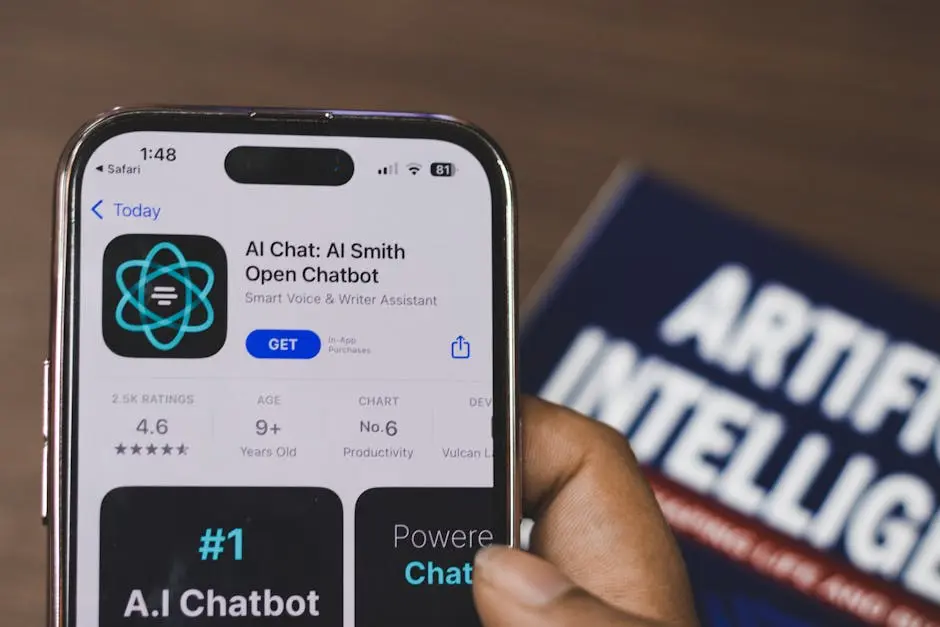
Artificial Intelligence has revolutionized customer service with chatbot support. Providing 24⁄7 assistance can improve user experience by addressing inquiries instantly and efficiently, freeing up resources and improving satisfaction. Chatbots can handle routine queries, direct users through processes, and even provide personalized service without human intervention. This continuous service availability ensures that no user goes unassisted, leading to higher customer satisfaction.
Moreover, AI-powered chatbots are adaptive, learning from interactions to provide increasingly accurate responses. These bots improve over time, becoming more proficient at answering questions and completing tasks. By integrating chatbots, not only do users receive quick responses to their queries, but companies also gain valuable insights into customer needs and behavior. Investing in AI-driven support tools reflects a commitment to cutting-edge technology and customer care.
8. Cross-Platform Functionality
Ensuring your app works seamlessly across various devices and platforms is crucial. This flexibility allows users to access your app anytime, creating a consistent user experience and expanding your app’s reach. In an age where users frequently switch between devices, from smartphones to tablets to desktops, cross-platform functionality is not just a convenience but a necessity.
Whether your users are on iOS, Android, or Windows, a unified and seamless experience across platforms ensures they remain engaged regardless of their preferred device. By employing responsive design and adaptive layouts, apps can maintain functionality and aesthetics across different screen sizes and operating systems. This adaptability is vital for reaching a wider audience, meeting user expectations, and ensuring long-term success in a competitive digital marketplace.